
Ashlesha Bali Pooja: Benefits, Procedure & Timings at Gokarna
By Shrigokarnam Priest Team
Introduction
Ashlesha Bali Pooja is a powerful and highly revered Vedic ritual dedicated to the Naga Devatas (divine serpent deities) to alleviate the ill effects of `Sarpa Dosha` (afflictions related to serpents). Rooted deeply in ancient Hindu scriptures, this elaborate ceremony is particularly significant for individuals experiencing difficulties attributed to planetary positions involving Rahu and Ketu, or facing ancestral issues linked to sarpa shapam (curse of serpents). Performed with utmost devotion and precision, Ashlesha Bali aims to pacify the serpent deities, seeking their forgiveness and blessings for a harmonious life, prosperity, and spiritual well-being.
Gokarna Mahabaleshwar, a sacred pilgrimage site in Karnataka, is renowned for its spiritual potency and is considered an ideal location for performing such potent Vedic rituals. The ancient temple atmosphere and the presence of devout priests make it a preferred destination for devotees seeking to perform Ashlesha Bali.
Spiritual Significance of Ashlesha Bali
The Ashlesha Bali Pooja holds immense spiritual significance, primarily focused on addressing the `Sarpa Dosha`. In Vedic astrology, `Sarpa Dosha` is believed to arise from various reasons, including accidental harm to snakes in this or past lives, neglect of ancestral rituals, or certain planetary alignments (especially when Rahu and Ketu are in specific houses, often referred to as `Kala Sarpa Dosha`). It is believed that such doshas can manifest as obstacles in life, affecting marriage, progeny, health, career, and overall peace.
Ashlesha Nakshatra, ruled by the Naga Devatas, is considered particularly auspicious for performing this pooja. The ritual involves invoking the divine serpent deities and offering them bali (sacred offerings) as a means of atonement and propitiation. It is a profound act of humility and surrender, seeking divine intervention to neutralize negative karmic influences. Beyond merely mitigating doshas, Ashlesha Bali is also seen as a way to honor and connect with ancestral spirits, as ancestral lineages are often intertwined with these karmic patterns. Performing this pooja with faith and devotion is believed to purify one's karma, restore balance, and invite blessings from the Naga Loka for protection and prosperity.
Ideal Tithis and Timing for Ashlesha Bali
The efficacy of Ashlesha Bali Pooja is greatly enhanced when performed during specific auspicious timings. The primary criterion for scheduling this ritual is the presence of `Ashlesha Nakshatra`.
* Ashlesha Nakshatra: This lunar mansion, spanning from 16 degrees 40 minutes to 30 degrees in the zodiac sign of Karka (Cancer), is directly associated with the Naga Devatas. Performing the pooja when the moon transits through Ashlesha Nakshatra is considered most potent and beneficial.
* Amavasya (New Moon) or Pournami (Full Moon) Tithis: While Ashlesha Nakshatra is key, performing the ritual during Amavasya or Pournami tithis (lunar days) coinciding with Ashlesha Nakshatra amplifies its effects. Amavasya is particularly significant for ancestral rites.
* Shukla Paksha (Waxing Moon) Ashtami or Panchami: Some traditions also recommend performing it on the 5th (Panchami) or 8th (Ashtami) day of the waxing moon phase, especially if Ashlesha Nakshatra falls on these days.
* Dakshinayana Period: The period of Dakshinayana (from summer solstice to winter solstice) is also considered favorable for performing rites dedicated to ancestors and devatas, including Ashlesha Bali.
It is crucial to consult with experienced Vedic priests at Shrigokarnam to determine the most astrologically suitable date and time for your specific situation. They can analyze your birth chart and identify the optimal window for performing the Ashlesha Bali Pooja to maximize its benefits.
Vidhi (Procedure) Overview of Ashlesha Bali
The Ashlesha Bali Pooja is an intricate ritual that requires skilled priests to perform correctly. While the full detailed procedure is extensive and best guided by a priest, here's a general overview of the steps involved:
1. Sankalpa: The ritual begins with the devotee taking a `Sankalpa` (vow or intention) in the presence of the priest, stating their name, gotra, and the specific purpose of performing the Ashlesha Bali Pooja.
2. Purification and Preliminary Rites: The priest performs initial purification ceremonies, including `Ganesha Pooja` to remove obstacles and `Punyahavachana` for sanctification.
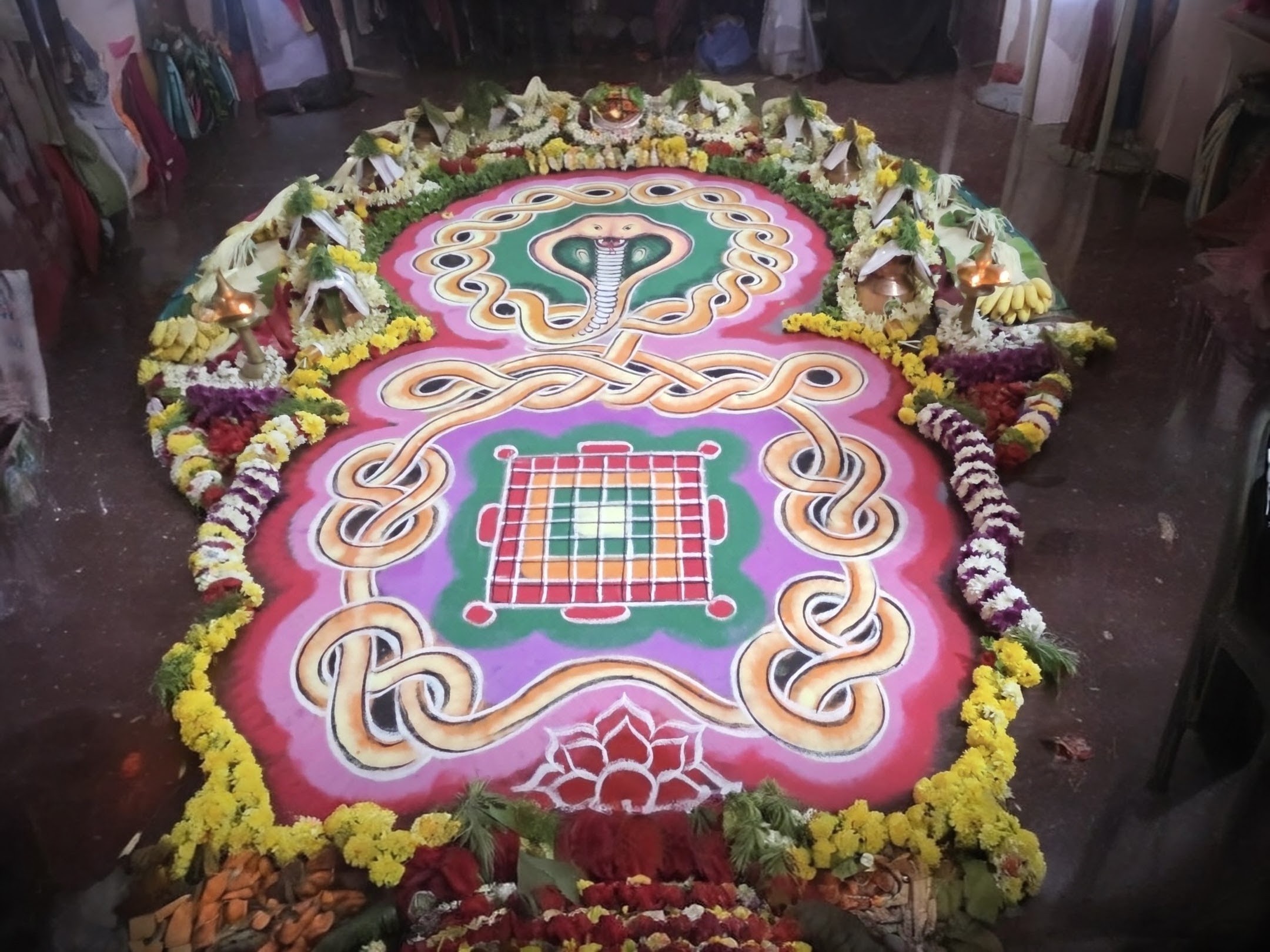
3. Mandala Drawing and Deity Invocation: Elaborate mandalas or diagrams, often depicting serpents and Naga Devatas, are drawn on the ground using various colored powders. The principal Naga deities, including Ananta, Vasuki, Takshaka, Karkotaka, Padma, Mahapadma, Shankhapala, and Gulika, along with their consorts and other divine serpents, are invoked into these mandalas.
4. Offerings (Bali): A variety of offerings, known as `bali`, are prepared. These traditionally include rice flour figures of serpents, various types of cooked rice, milk, honey, ghee, fruits, flowers, turmeric, kumkum, and specific leaves. These offerings are made with reverence to appease the Naga Devatas.
5. Mantra Japa and Homa: Specific Vedic mantras dedicated to the Naga Devatas and other relevant deities are chanted continuously. A `Homa` (fire ritual) is also performed, where offerings are made into the sacred fire while chanting powerful mantras, invoking divine energies.
6. Prarthana (Prayers) and Aarti: Devotees offer heartfelt prayers for forgiveness, protection, and blessings. The pooja concludes with `Aarti` (waving of lamps) and circumambulation.
7. Prasada Distribution: The sanctified offerings (`prasada`) are distributed among the devotees.
This detailed process ensures that the ritual is performed authentically and effectively, providing maximum spiritual benefit to the devotee. Shrigokarnam provides experienced priests who conduct the Ashlesha Bali Pooja strictly according to Vedic traditions.
Benefits of Performing Ashlesha Bali
The performance of Ashlesha Bali Pooja is believed to bestow a multitude of benefits upon the devotee, addressing various aspects of life influenced by `Sarpa Dosha` and seeking the grace of Naga Devatas:
* Mitigation of Sarpa Dosha: This is the primary and most significant benefit. The pooja helps to neutralize the adverse effects of `Sarpa Dosha`, `Naga Dosha`, and `Kala Sarpa Dosha`, leading to a reduction in life's obstacles.
* Relief from Health Issues: It is believed to alleviate chronic and unexplained health problems, particularly those affecting the skin, nervous system, and reproductive organs, which are sometimes attributed to serpent afflictions.
* Progeny and Marital Harmony: For couples facing delays in marriage or issues with conception, Ashlesha Bali is often recommended to remove karmic blocks and bless them with progeny and harmonious relationships.
* Career and Financial Stability: The pooja can help remove obstructions in career growth, business ventures, and financial stability, paving the way for progress and prosperity.
* Protection from Negative Energies: Naga Devatas are protectors. Performing Ashlesha Bali is believed to invoke their protection against unforeseen dangers, negative influences, and enemies.
* Ancestral Blessings: By appeasing the Naga Devatas, the pooja also serves as a means to honor and seek blessings from one's ancestors, resolving any unresolved ancestral karmas related to serpents.
* Mental Peace and Spiritual Growth: Beyond material benefits, the ritual brings profound mental peace, clarity, and spiritual elevation, fostering a sense of harmony and well-being.
Devotees performing Ashlesha Bali with sincere faith and devotion often experience a noticeable positive shift in their lives, feeling lighter, more hopeful, and spiritually aligned. It is a powerful journey towards healing and divine grace.
Frequently Asked Questions
### Q1: Who should perform Ashlesha Bali Pooja?
A: Individuals experiencing persistent problems in marriage, progeny, health (especially skin or neurological issues), or career, and those whose astrological charts indicate `Sarpa Dosha` (`Naga Dosha` or `Kala Sarpa Dosha`), are often advised to perform Ashlesha Bali Pooja. It's best to consult a knowledgeable Vedic astrologer or the Shrigokarnam priest team for personalized guidance.
### Q2: What should I bring for the Ashlesha Bali Pooja?
A: Typically, the Shrigokarnam priest team arranges all necessary materials for the pooja. Devotees usually need to bring themselves dressed in traditional attire, and a sincere heart filled with devotion. You may wish to bring personal offerings like flowers or fruits, which the priests can guide you on.
### Q3: How often should Ashlesha Bali Pooja be performed?
A: For most individuals, performing Ashlesha Bali once with full devotion is sufficient to alleviate the `Dosha`. However, in cases of severe `Dosha` or recurring issues, a priest might suggest repeating the ritual after a few years. It's always best to follow the advice of experienced priests who can assess your specific situation.
### Q4: Can Ashlesha Bali Pooja be performed on any day?
A: While the pooja can technically be performed on other days, its effects are significantly magnified when performed during `Ashlesha Nakshatra`. Consulting with the Shrigokarnam priest team is recommended to identify the most auspicious and effective dates for your pooja, ensuring the best possible outcome.
Need help choosing the right pooja?
Message our priest team for honest guidance.